A celebratory reception at Dynamic Earth on 24th June launched our new study into the value of literature to the city of Edinburgh
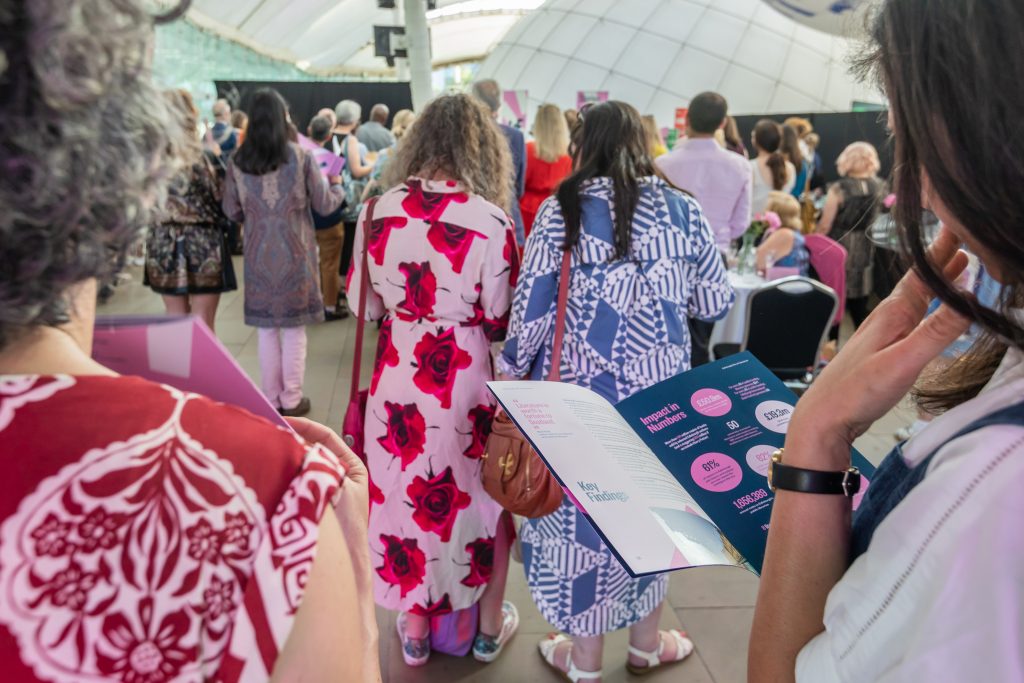
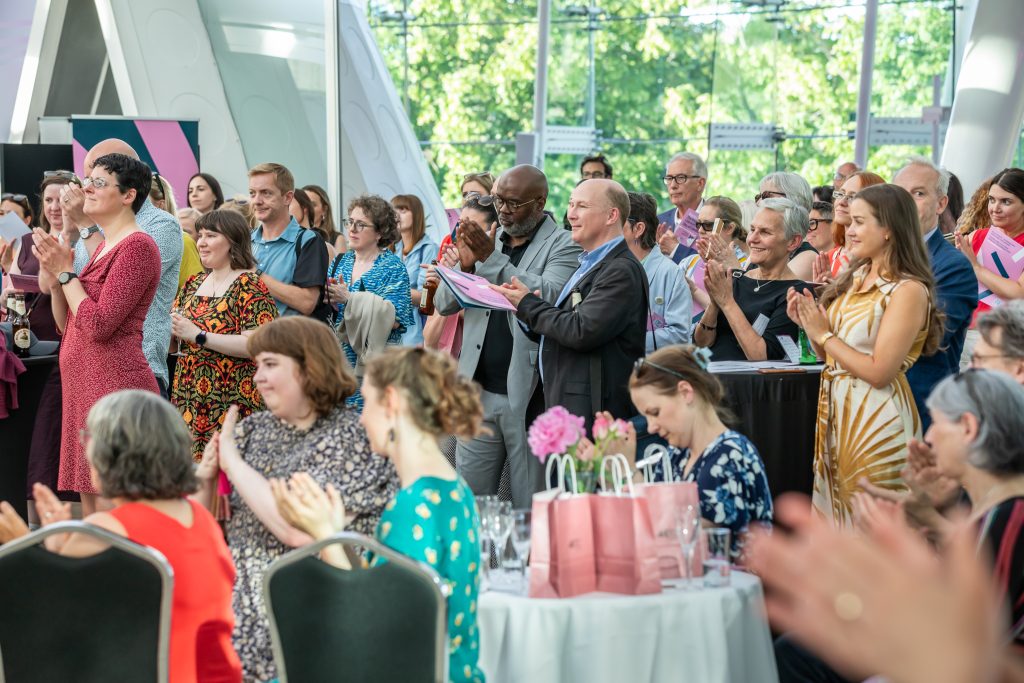
Last week, we celebrated the publication of our new study into the impact of literature on the City of Edinburgh with a reception at Dynamic Earth.
Civic and cultural leaders met with writers, publishers, literary professionals and booksellers to mark this new study and to learn more about Edinburgh City of Literature’s forthcoming programme of work.
Guests heard from outgoing Chair of the Board of Trustees Ruth Plowden about our forthcoming international residencies, reading campaign and placemaking activities, while Edinburgh Makar Michael Pedersen shared his reflections on the city. He read from his foreword to ’10 Poems About Edinburgh’, a pamphlet coming soon from bestselling publishers Candlestick Press – a project supported by Edinburgh City of Literature and Publishing Scotland.
Guests also enjoyed “on-the-spot” poetry from Purple Poetry‘s Heather Richardson, who typed up beautiful, personalised poetry to take home.
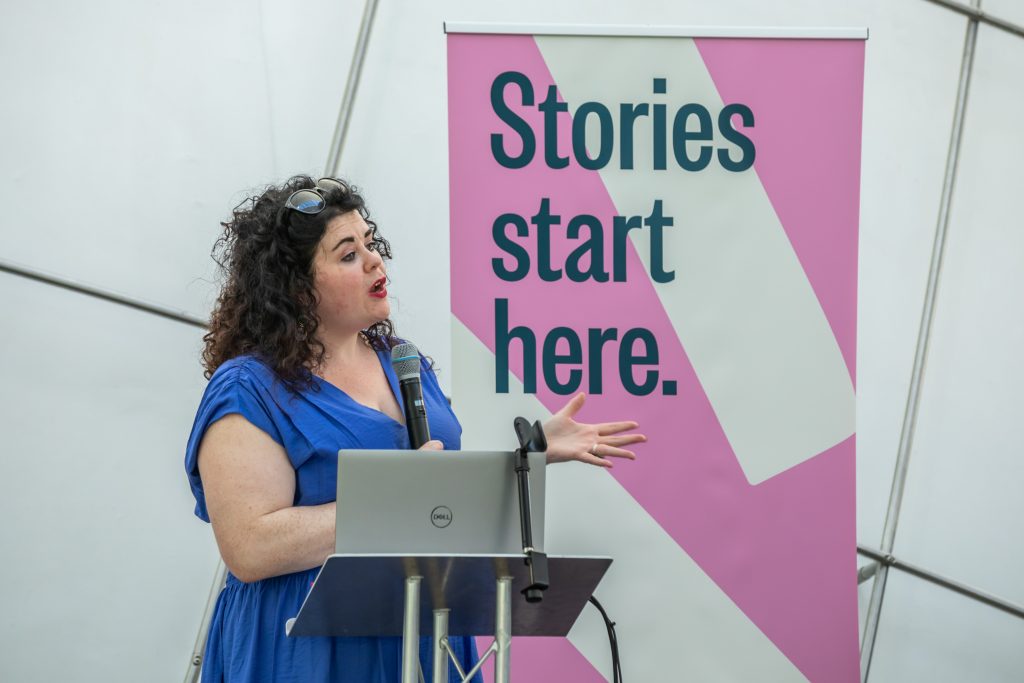
Our Director, Harriet MacMillan, shared reflections on the new study and also declared a call to arms for Edinburgh, encouraging everyone to come together to support and preserve our great City of Literature. The speech she delivered is shared below.
“Earlier this year, we ran a writer development programme in conjunction with our friends at the National Library of Scotland – Story Sessions. For this iteration of Story Sessions, writers for children came to the NLS and, in heart of their Dear Library exhibition, they shared their work with extremely excitable young audiences.
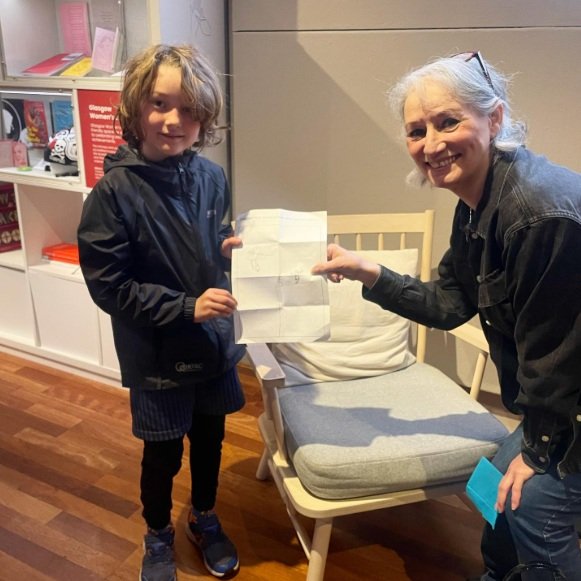
One of the authors selected for this programme was Lisa Grindall, who is here with us tonight. On the Tuesday, Lisa regaled her audience with “The Adventures of Beenie McBride and Binky Boy”. It was a palpable hit. The applause was riotous. Then, on Thursday, Lisa came to another Story Session to hear some of the other authors from her cohort perform their work. She was surprised by a small hand tapping insistently on her shoulder.
Waiting for her attention was Leo, one of the children who had come on Tuesday.
“I’ve finished your story,” Leo told her, proudly handing over a piece of paper onto which he had faithfully inscribed his continuing adventures of Beenie McBride and Binky Boy. At seven years old, his fate had been sealed by listening to Lisa. He wanted to become a writer.
As I tried to plan what to say to you all tonight, this moment kept coming back to me – how touched Lisa was by this work of fan fiction and how excited Leo was to pick up the pen for himself. What I had witnessed right then, in that moment, was impact.
It’s not something I can easily funnel into a funding application or check off in a tick-box.
It’s not something upon which I can place a monetary value or exchange for other goods or services.
Those of us who work in literature see its impact every single day.
But it’s also something we struggle to quantify and sometimes, the story of impact is something we can, as a sector, struggle to tell.
This is something we hope that this new research is going to change. This impact study is designed to support all of us to make the case for literature – and to invest together in a City of Literature for the future.”
“This report gives us, for the first time, a shared and robust evidence base for understanding literature’s role in Edinburgh — not as a single sector, but as a connected system shaping the city’s cultural life, economic performance and social fabric. It brings together data, research and insight to show how these three dimensions are not separate – but mutually reinforcing — each drawing strength from the others.
Across the findings, a clear picture emerges of a city defined by the density and continuity of its literary activity. Edinburgh’s international reputation as a place of storytelling is enshrined in its heritage but given life by a constant flow of events, programming and engagement across festivals, bookshops, libraries and institutions. Together, these activities create a petri dish for writers – a lively environment in which writers, audiences and ideas are in regular connection.
Crucially, this study also provides a clear account of something which is rarely understood and rarely articulated: the sector’s valuable economic contribution to our city. In 2024, literature generated a truly impressive £50.9 million in Gross Value Added to the Edinburgh economy – with £19.3 million derived from publishing alone and enhanced by bookselling and festivals. That benefit extends beyond the sector itself – driving the spend of visitors hungry for a taste of literary Edinburgh and supporting related activity across hospitality, retail and the wider creative economy. This study evidences what we know to be true: literature is not just a cultural asset or a social good but an economic machine.
But perhaps, for most of us in the room, what is most important is how the study evidences the social function of what we do. I referred recently to those who work in literature as ‘empathy midwives’ – and the study would support this characterisation. Through libraries, literacy programmes and festival outreach, literature directly delivers and supports education, wellbeing and community outcomes. Through the creation of work, we are changing lives and telling better stories. At a time when we have never been in greater need of consolation and connection, literature can undo many of the harms of modern life.
It is in this thriving, dense and rich context that this study sits: as a tool to help us evidence what is already happening, a guide for better articulating its value, and as an encouragement for us to strengthen what we have for the years ahead.”
“When we celebrated our 20th anniversary as the world’s first UNESCO City of Literature in 2024, Edinburgh Makar Michael Pedersen wrote a beautiful poem to commemorate the occasion, as well as the 900th anniversary of the founding Edinburgh.
He called his poem: “Be More, Edinburgh.”
The opening line reads:
“Edinburgh, it’s high time you came in for a heart check-up.”
This study is that heart check-up.
I’m delighted to share that our city’s literary heart beats with a proud, lusty, loud, dub-dub.
We have a truly remarkable constellation of cultural assets which we must continue to celebrate. Our industrious publishers, our world-leading universities, our vital libraries, fantastic festivals and our brilliant bookshops*. Our lifeblood – our glorious community of writers. To paraphrase a quote from this study – we are all changing the world through books.
But then again, to paraphrase Michael Pedersen – we can also be more.
Through the process of consultation with stakeholders, BOP Consulting have clearly identified ways in which we need to strengthen the sector and ways in which we need to safeguard our vital work.
We need to extend this work beyond the usual suspects – we need to uplift voices who are rarely heard and to share stories across the whole city.
We need to establish more places to be together – to exhibit and convene and perform and to work and to read and to write.
Crucially, we need to think of our future literary heart health. We need sustainable investment in the sector to ensure that we can continue to live up to our world-leading reputation. We need to safeguard our workforce of creatives and professionals and we need to invest in our institutions to guarantee a sector infrastructure which is fit for purpose for the future.
Literature currently receives just 5% of public cultural funding. But this impact study shows us, very clearly, the significant return on investment facilitated by literary activity. Investing in literature is an investment in our economy – as it stands, as a sector we are together contributing nearly £1 million a week to Edinburgh’s economy. But investing in literature is also an investment in social and cultural cohesion, wellbeing, soft power, our international reputation and our national sense of self. If we could foster more investment into our City of Literature, what further benefits might we reap?
This impact study is both a celebration of all that we are and a call to arms: be more, Edinburgh.
The work starts now. I would invite all of you, as we look to the future, to consider little Leo and his addition to Lisa’s story. This story – the continuing adventures of Edinburgh City of Literature – will not be the work of one person or one pen. Our history is of working in partnership across the city and our new programme of work – from international residencies to poems on the Trams – continues this tradition of being stronger together. This ongoing story is one for us all to write and share together. That story starts here. I hope you’ll join us.”
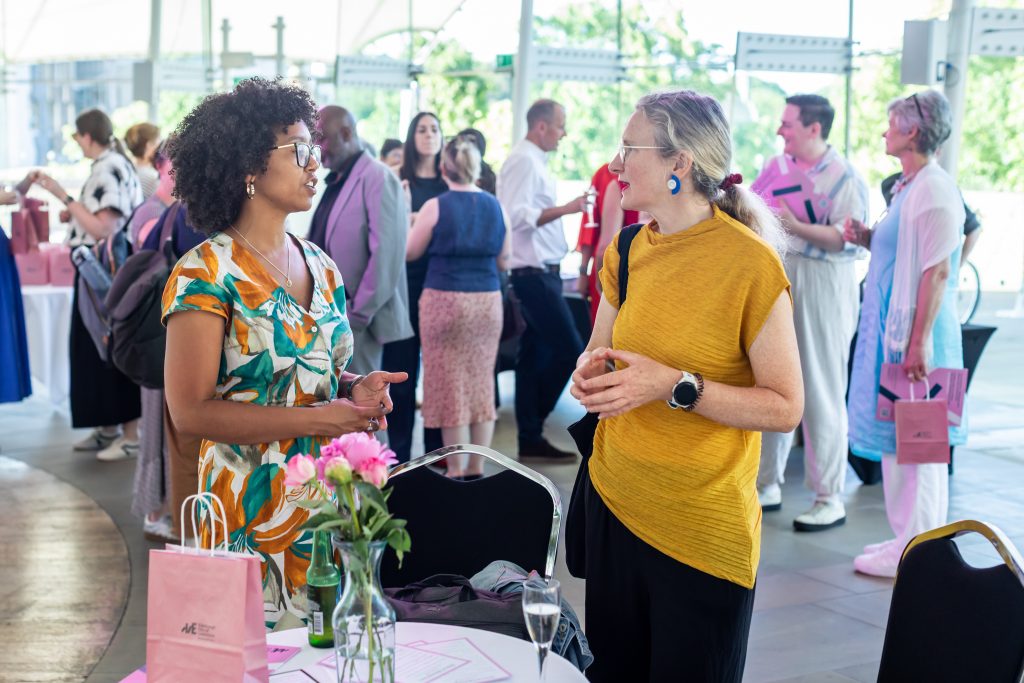
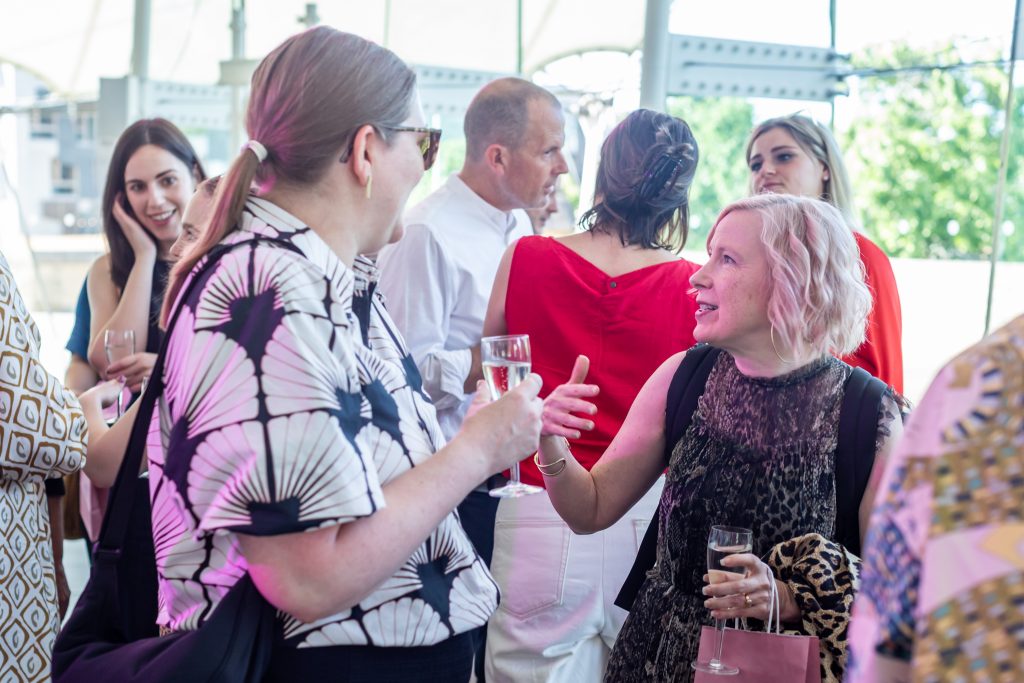
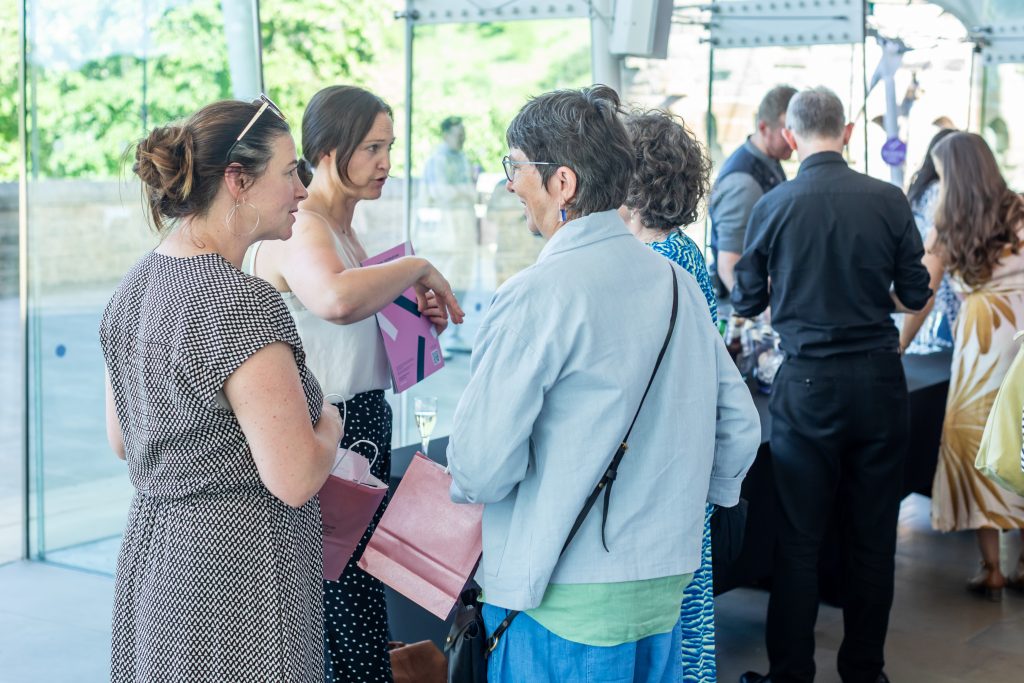
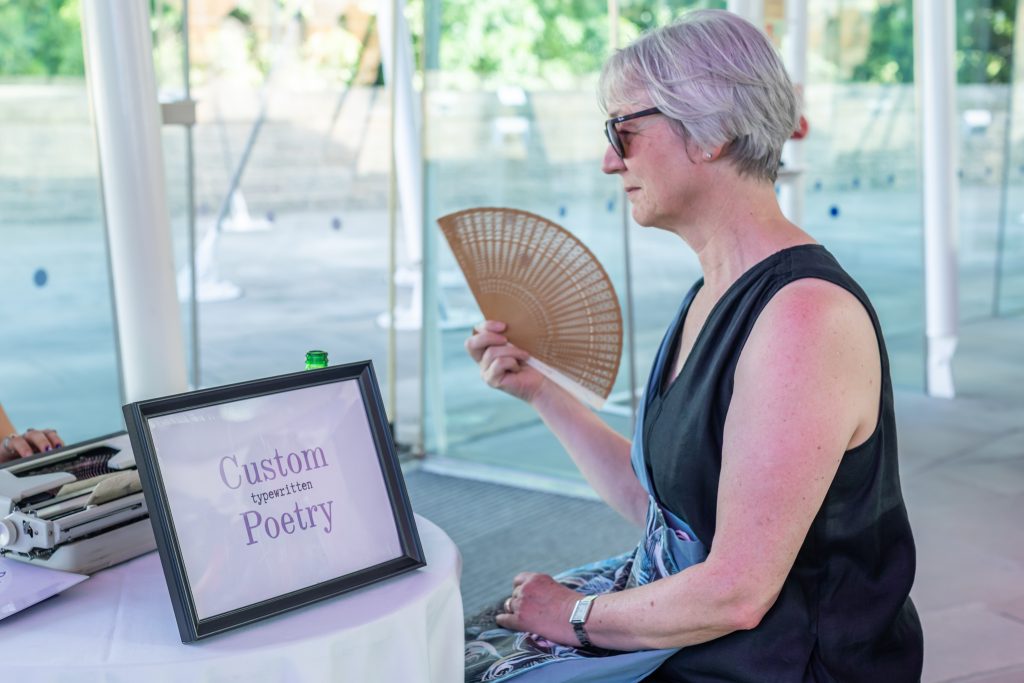
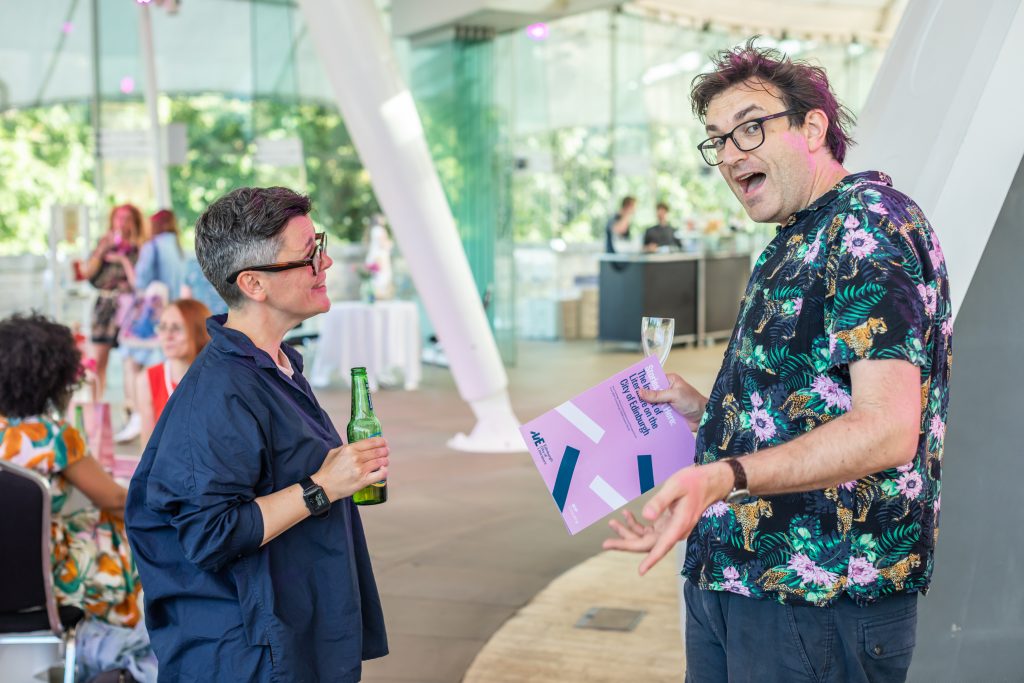
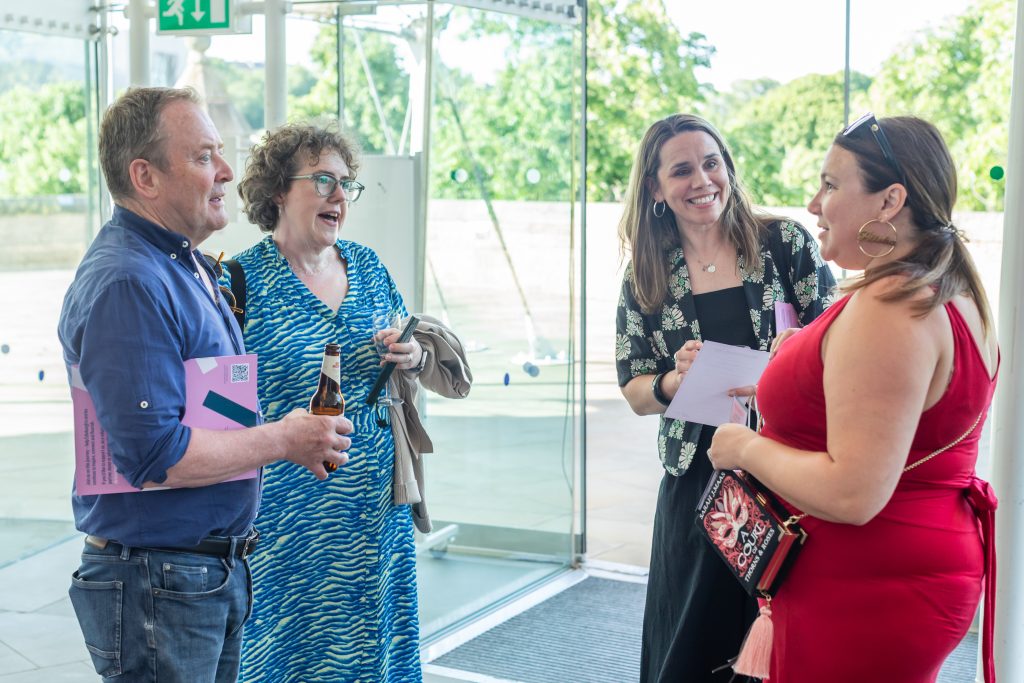
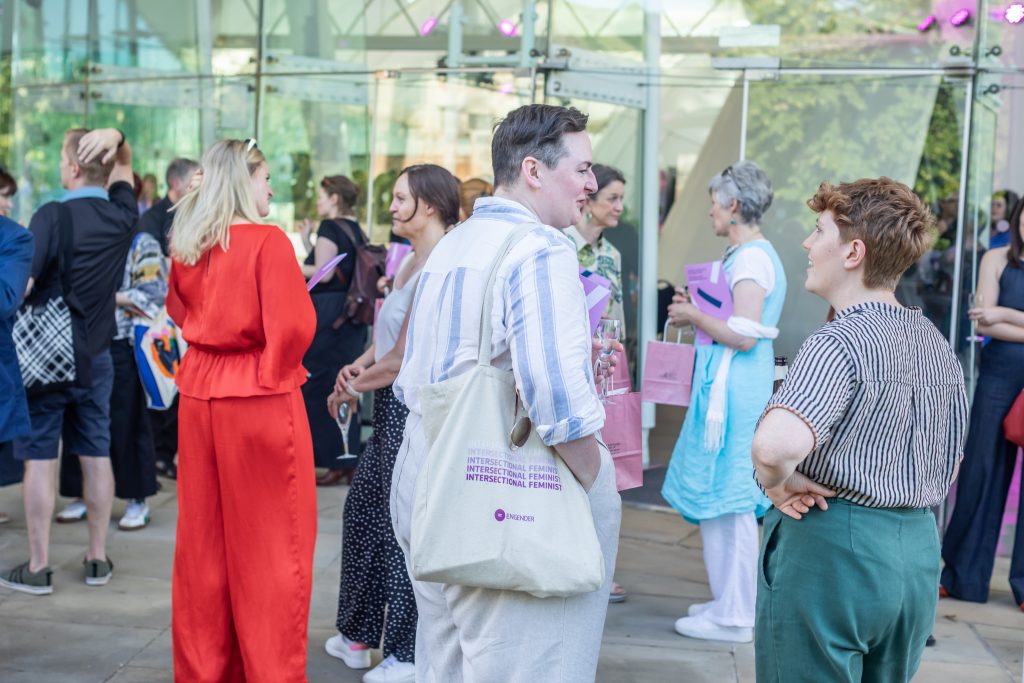
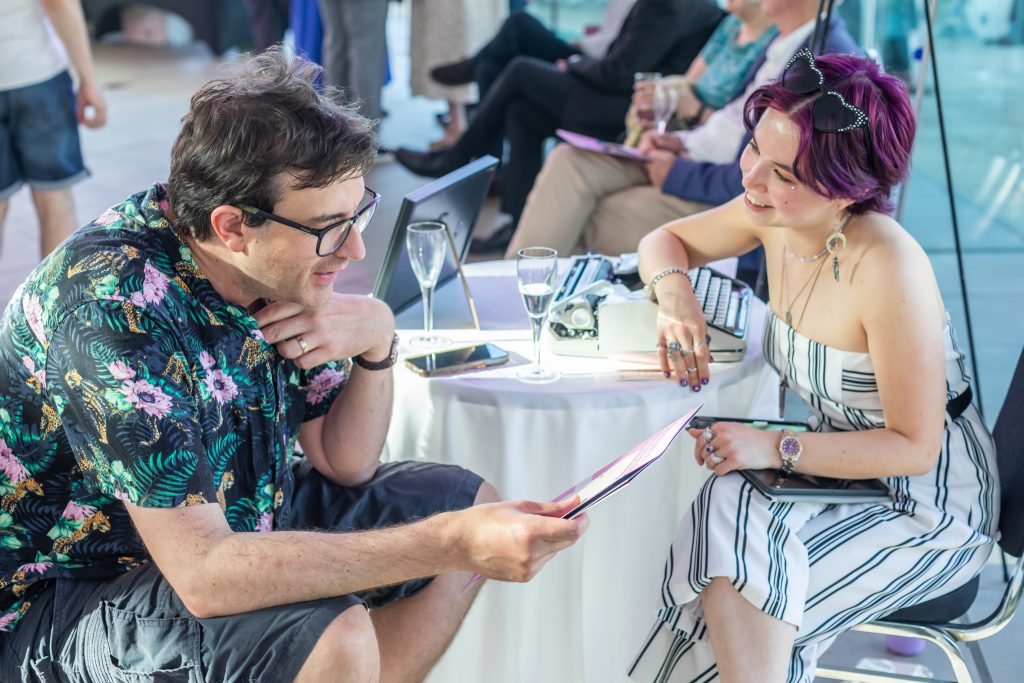
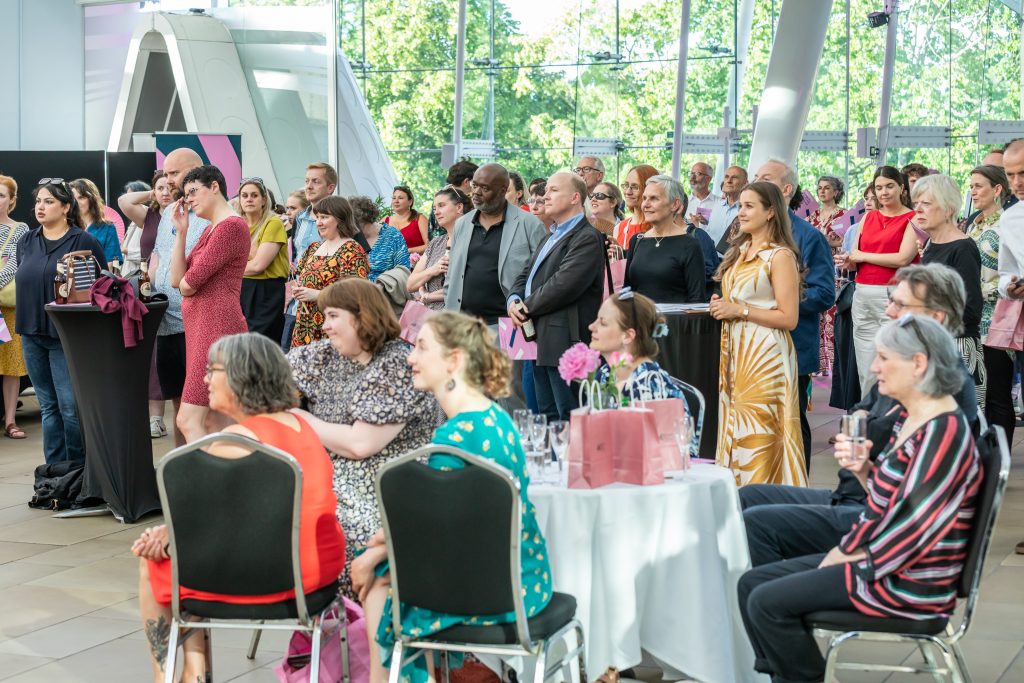
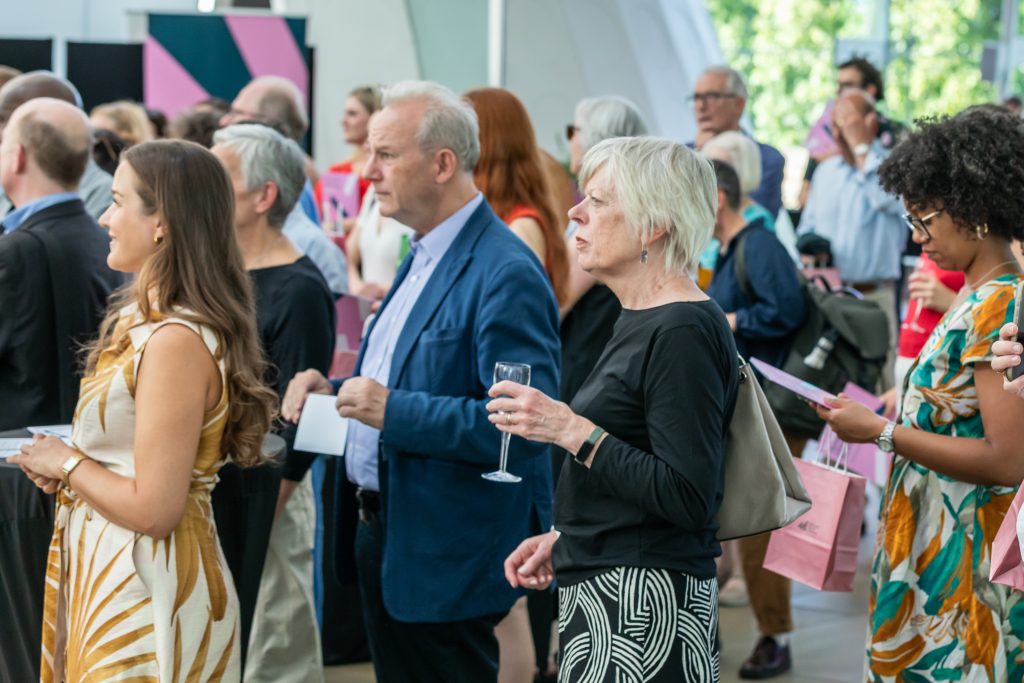
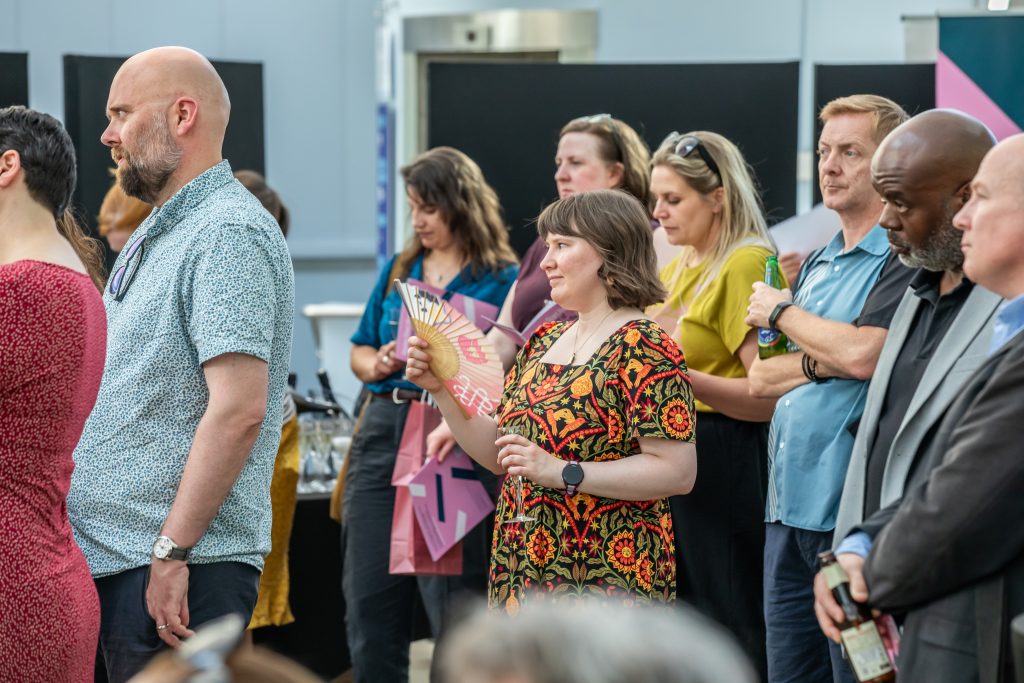
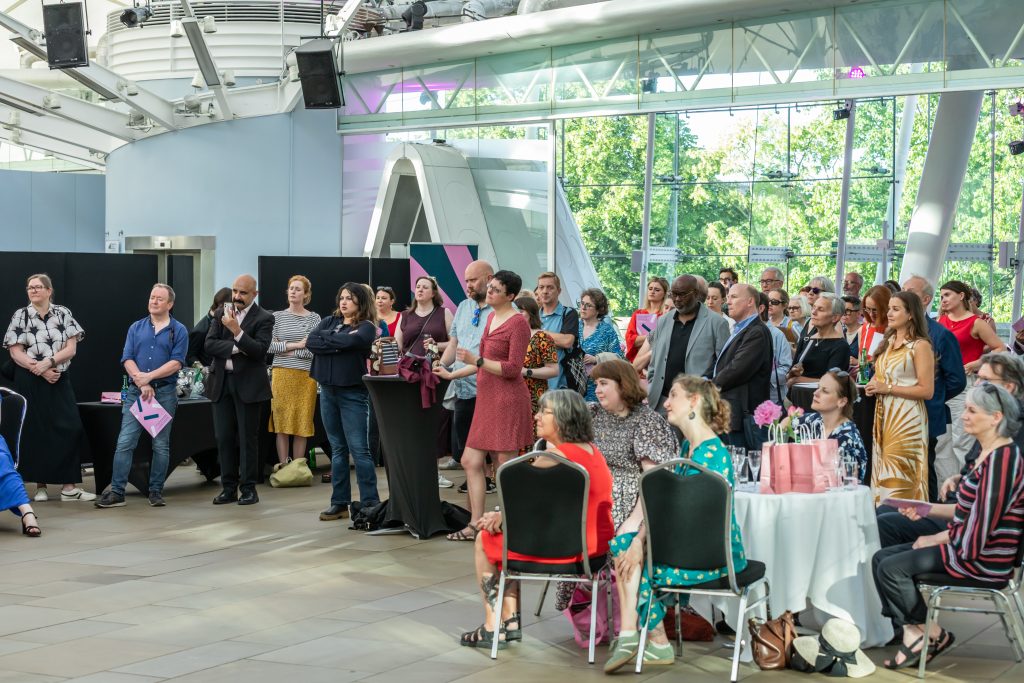
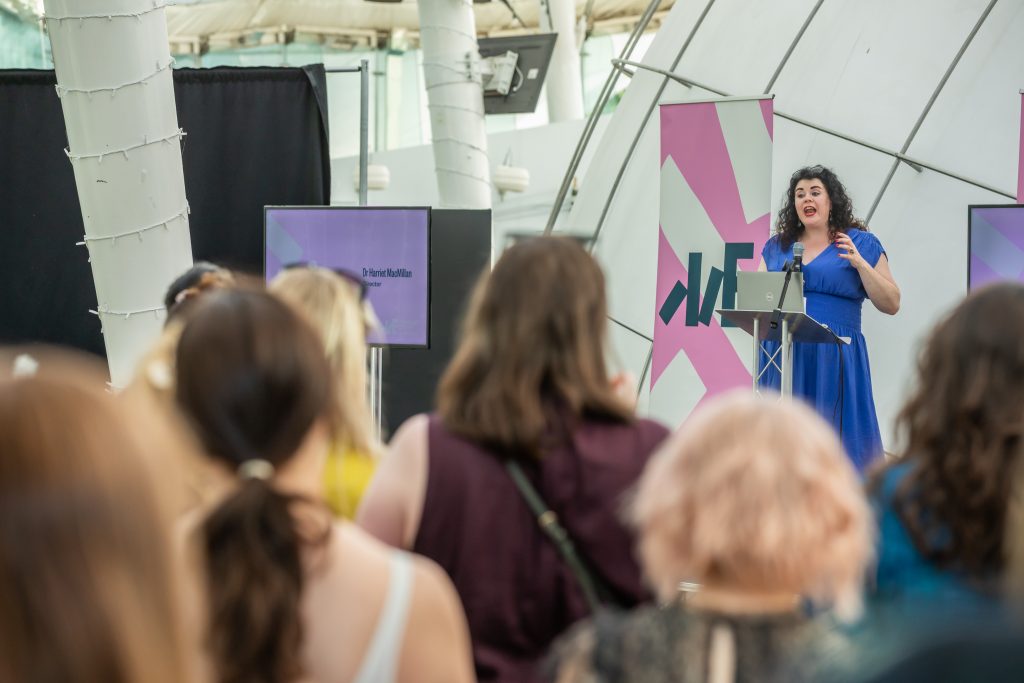
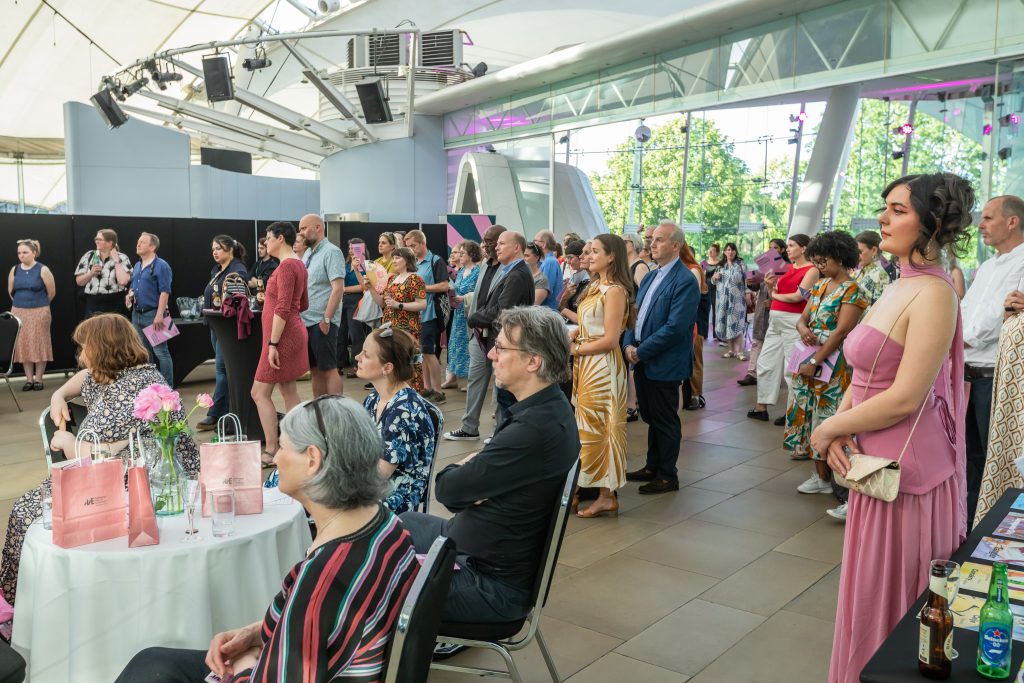
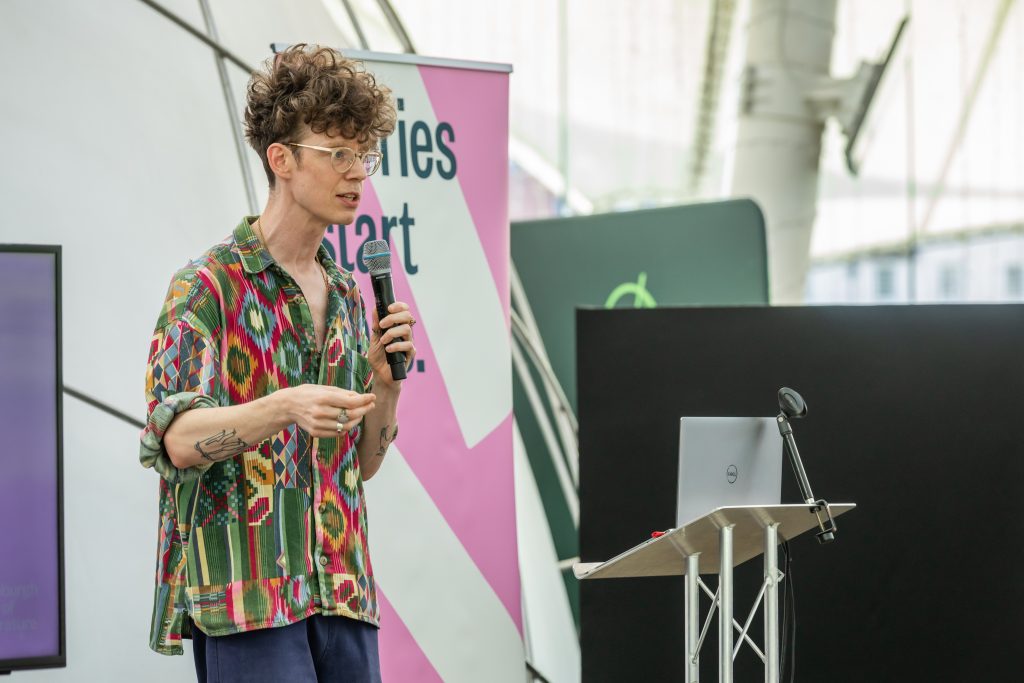
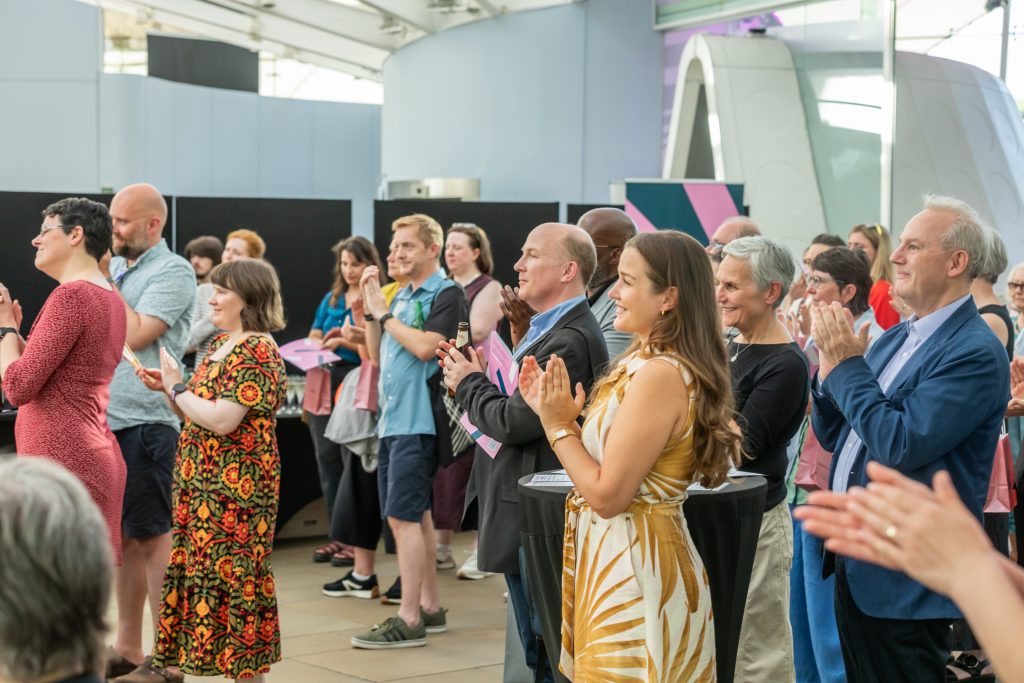
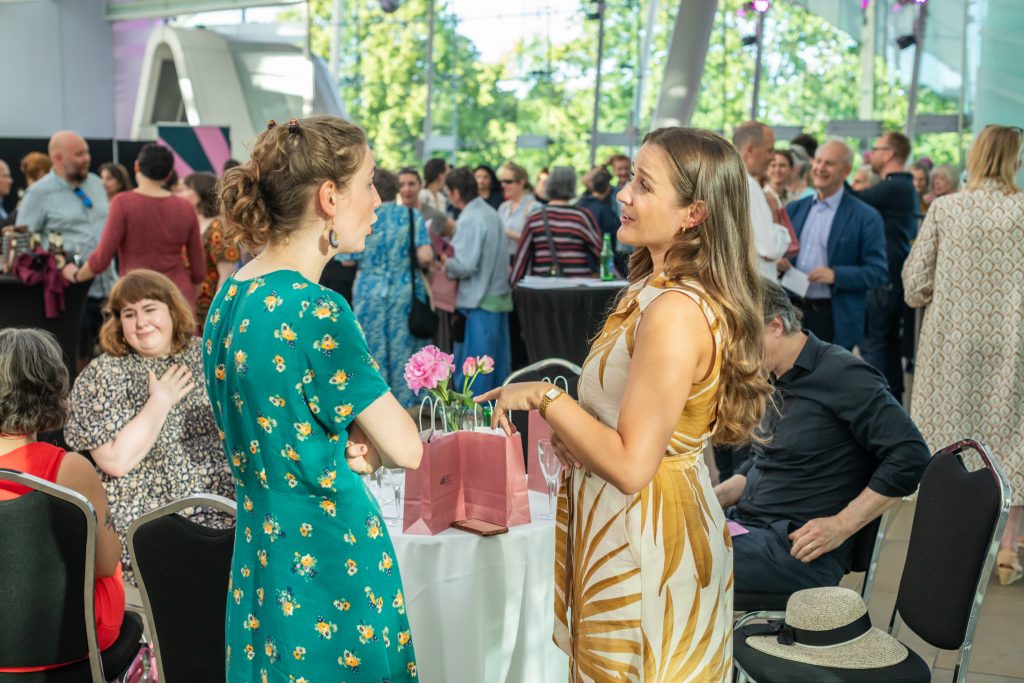
Photo credit: Chris Scott